Thursday, December 25, 2008

Who Doesn't love a good loaf of Jewish Rye Bread?


Where I grew up as a kid we had great Jewish delicatessens in practically every big neighborhood or town. I can remember going to our local deli every week to buy a loaf or two of their rye bread. They had big machines that would slice the bread for you and then put it in the white paper bag and home you'd go with a delicious warm loaf of the best rye bread to ever pass your lips.

The crust had to be a little chewy and the color of dark honey and of course it had to have caraway seeds all throughout including the crust. If this is the kind of rye bread you long for, you can make your own. Yes, you heard me, you can make your own, but understand, any good loaf of bread can take a while to make as there can be numerous steps and it can actually take days from start to finish.

I will guide you through how I make my rye bread and then you can see if you are up to the task.

Jewish Rye Bread

Milk Sour:
1-1/2 cups buttermilk
3/4 cup medium rye flour

1. The first step is making the Milk Sour which consists of 1-1/2 cups of buttermilk let to sit out overnight in a warm place uncovered. The next morning, slowly pour in 3/4 cup of rye flour and mix with a wooden spoon until smooth and again let sit out overnight uncovered at room temperature.


The Rye Sponge:
1 pkg active dry yeast
1 cup warm water
all of the milk sour from previous step
1/4 cup rye flour
2 cups unbleached white flour

2. For the sponge, proof the yeast in the warm water. When it is creamy, after around 10 minutes, pour it and the milk sour into a large bowl. Mix in the flours, stirring until you have a batter and let the sponge sit, covered at room temperature for 4 hours until it has tripled in size and dropped. (warm place)

The Dough:
all of the sponge from the previous step
1 T salt
1 teaspoon honey
1/2 cup warm water
3 cups unbleached white flour
3 T caraway seeds

Glaze: 1 egg white and 1 teasp cold water

3. To make the dough, add the rest of the ingredients with salt being last. Add the caraway seeds and water first and then add the flour a little at a time until you can't stir anymore. Don't forget to add the salt and then pour out onto a floured board and knead the rest of the flour in until it is not sticky and gooey anymore. You will need to add more flour until you have the right consistency. *Note: This can change every time you make it depending on your weather and the amount of moisture in the air.

Let the dough rise until double in size 50-60 minutes.


Punch down and flatten out. Form a large log pushing away and under. Place it seam side down on a baking sheet sprinkled with large grain cornmeal.

Preheat oven to 400. Let loaves rise 30-40 minutes until they don't spring back quickly. Slash 3-4 times diagonally across the loaf with a razor blade and glaze the top with egg glaze. Bake 35-40 minutes and spritz the inside of the oven with a water bottle or throw 4 ice cubes and 1/4 cup of cold water onto the floor of the oven when you open it to put in the bread.

Notes: I prefer to use a bread stone (Pizza stone) instead of sheet pans as it bakes evenly and gives the bottom of the loaf a good color. If you have a pizza paddle to put the loaf on prior to placing in the oven you will have an easier time transferring the loaf. This is a big recipe so you may opt as I often do, to make two loaves with this instead of one big one.

There are three rules to baking great bread. Preheat the oven a minimum of 30 minutes before baking, use a baking stone and mist the oven in the first 10 minutes of baking.


Sunday, December 21, 2008

Its Crab Season!


Now that I'm back in the Pacific Northwest, I have access to the freshest seafood from the coast of Oregon and right now, its Dungeness crab season. I love all shellfish but fresh crab is hard to beat anywhere. One of my favorite things to do with crab is make crab-cakes. Not those breaded cakey things loaded with other vegetables and tons of bread crumbs, but REAL crab-cakes with tons of lump crab meat and nothing else!

Having grown up on the east coast in Delaware and gone to summer camp on the Chesapeake Bay, I grew up on blue crab which we had any number of ways. It was common in the summer to have big parties with bushel baskets of blue crab that had been cooked in a spicy "crab boil" and then thrown out onto newspaper covered picnic tables with little wooden hammers to crack the crab and then just suck down that delicious meat along with the spices from the boil which would make your lips burn just slightly. And how could I ever forget soft shelled crab sandwiches? Oh boy, when I think of the hometown foods from my childhood, I think of Chesapeake Bay blue crab, Maryland crab-cakes, Tastycakes, submarine sandwiches, cheese steak sandwiches, scrapple, Hires rootbeer, sweet Jersey corn on the cob and Herr's potato chips. For now, I will have to settle for the hometown flavors of Maryland style crab-cakes.

Here is my favorite basic recipe that comes from a great cookbook called The Chesapeake Bay Cookbook and the recipe is for Gertie's Crab Cakes. This is just too perfect a recipe to mess with so I use it entirely as is:

Gertie's Crab Cakes
1 egg
2 T mayonnaise
1 teaspoon dry mustard
1/2 teaspoon black pepper
1 teaspoon Old Bay seasoning
2 teaspoons Worcestershire sauce
dash Tobasco sauce
1 pound picked crabmeat
1/4 cup cracker crumbs (not bread crumbs!)
Veg oil for frying

In a mixing bowl combine the egg, mayo, mustard, pepper, Old Bay, Worcestershire and Tobasco and mix until frothy.

Place the crabmeat in a bowl and pour the mixture over the top. Sprinkle on the cracker crumbs and gently toss together trying not to break up the bigger chunks. (I get saltines and grind up in the mini Cuisinart)

Form the cakes by hand into 3 inch wide and 1 inch thick rounded mounds. Do not pack the crab-cake batter together too firmly. Keep as loose as possible but still holding together.

Heat oil to 375 and fry the cakes in about a 1/2" of oil a few at a time until golden brown on both sides. About 3 minutes total and remove to paper towels to drain. Serve at once.


Sunday, November 30, 2008

Black Trumpet and Yellow foot Pizza


I love making pizza "from scratch" and when you have a great recipe for pizza dough, it makes all the difference in the world. I enjoy making rye bread so I don't mind the waiting and time involved with making breads and bread doughs. You certainly can't be in a hurry if you want to make pizza the right way.


This pizza is one of my all time favorites and whenever I have fresh yellow foot chanterelles (Cantharellus tubaeformis) and a good supply of black trumpets (Craterellus cornucopioides) I make it.


There is no sauce on this pizza, just caramelized sweet onions, sauteed yellow foot and black trumpets and of course a good amount of freshly grated parmesano Reggiano cheese before baking in a 500 degree oven for 10 minutes and you get one of the most delectable pizzas ever.

Pizza Dough
Pizza is only as good as the dough it's made on and that is why I rarely ever eat pizza that I didn't make myself. This is the best pizza dough recipe I've ever used and you could eat this with nothing on it and it would still be delicious.

Ingredients:
1-1/4 cups warm water
1 scant tablespoon active dry yeast
pinch sugar
3 cups all purpose flour, or more as needed (I use unbleached)
1 teaspoon sea salt
1 tablespoon olive oil

1. Put the warm water in a mixing bowl and stir in the yeast, sugar and one cup of the flour. Set aside until foamy, 20-30 minutes. Lightly oil a clean bowl for the dough.

2. Stir in the salt and oil, then start stirring in the flour until the dough is fairly stiff. When too stiff to stir, turn it out onto a lightly floured counter and knead until the dough is smooth and shiny, about 10 minutes. Add more flour as needed. Put the dough in the oiled bowl, turn once to coat, cover with plastic wrap and set aside to rise until doubled in bulk, about an hour.

3. For pizzas, divide into 2 or 4 pieces

NOTE: I use my Kitchen Aid mixer to make the dough. I use the mixing bowl in the first step and then using the paddle blade I mix in the flour later switching to the kneading hook and let the mixer knead the dough for me for 10 minutes. I also use a pizza stone to bake on in the oven and preheat to 500 degrees. The pizza only takes 10 minutes at 500 for the bottom of the crust to be a nice toasted brown and some color on the edges as well as the cheese melted in the center.

Tuesday, November 25, 2008

Hello Oregon


I've just recently relocated to Oregon hence the long silence and lack of activity here on my blog. Things are getting a little more settled now so perhaps I'll have more time to spend here posting new and interesting things.

I'm now fortunate enough to be in the most diverse fungal playground in the land. Not only is Oregon loaded with a plethora of wild gourmet edible mushrooms, but there are so many other wonderful foods available for foraging such as razor clams, dungeness crabs, oysters, fiddlehead ferns, sorrel and a host of other delicious things.

Since my arrival here I've been concentrating on fungal delicacies such as porcini, chanterelles, shrimp Russulas and whatever else I can find that is food worthy for the table. I've been having fun photographing a variety of mushrooms as well.

This winter I'm hoping to scope out the best spots for fly fishing for shad on the Umpqua River for this spring when the run begins but I may also get some time in with some winter steelhead fishing. My other winter "business at hand" will be truffle hunting for the elusive Tuber oregonense (Oregon winter white truffle) and Leucangium carthusianum (Oregon black truffle).

You may recall my earlier posts when I was in Oregon digging Oregon spring truffles, Tuber gibbosum. Those will come along in May and June but for now it's winter truffle season and I'd be interested in training my companion Maggie to help me find these delicacies in the woods.


Friday, November 7, 2008

A Forager's Dream Come True

I've recently moved from SW Montana to the mushroom thick world of Oregon. I've felt somewhat mushroom deprived in Montana, not that we don't have mushrooms but we didn't have the shear varieties of mushrooms out there that the Pacific Northwest has on offer. I've been craving chanterelles for years since moving from Seattle and now I'm in the thick of them.

In Montana I had all the morels and Boletus edulis I could ever want and to some extent, had them all to myself. Now I'm in the holy land so to speak and I have a plethora of wild mushrooms and certainly many are wild gourmet edibles, but I surely don't have them all to myself anymore.

I'm in an adjustment phase as I'm coming from ten years living in Montana, a very dry climate, and now I'm finding myself in a very damp climate and even though the thermometer says it's not cold outside, my body says otherwise. I have awful joints (knees in particular) and this weather is wreaking havock on my body. But, I'm willing to overlook the physical nuisances for the bountiful harvests I've been having every time I go out foraging in the woods.

Monday, August 25, 2008

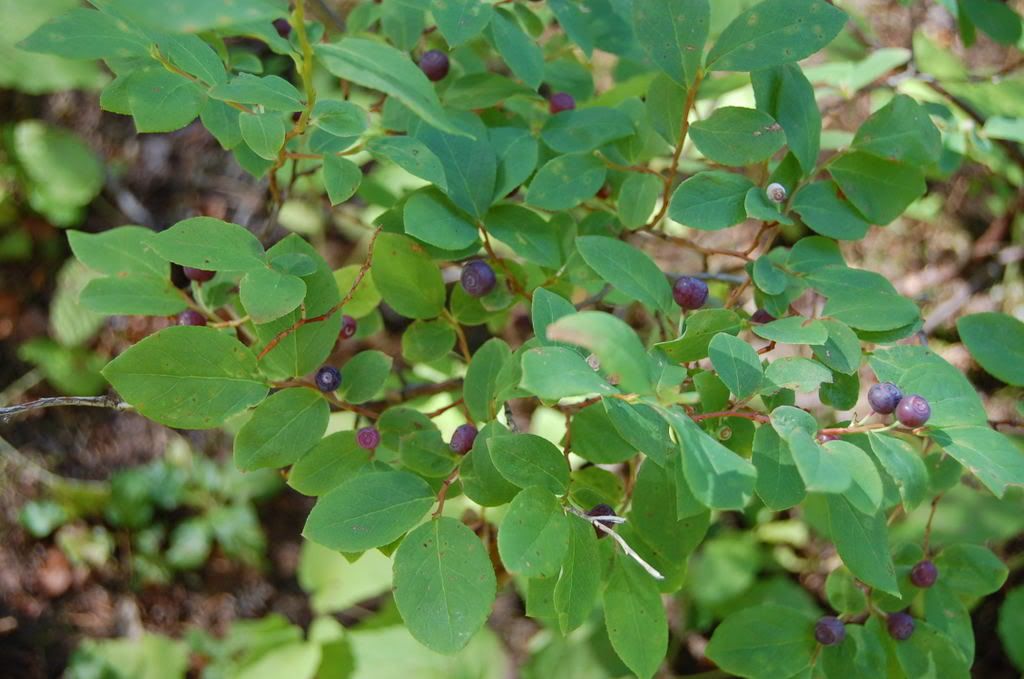
A Montana Wild Huckleberry Hunt


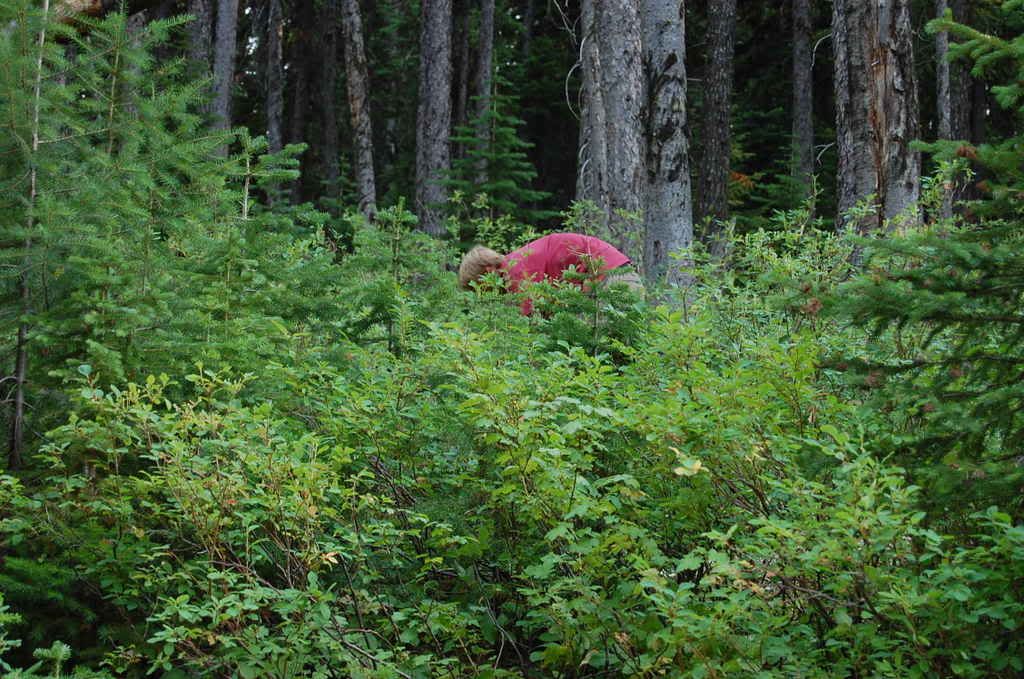
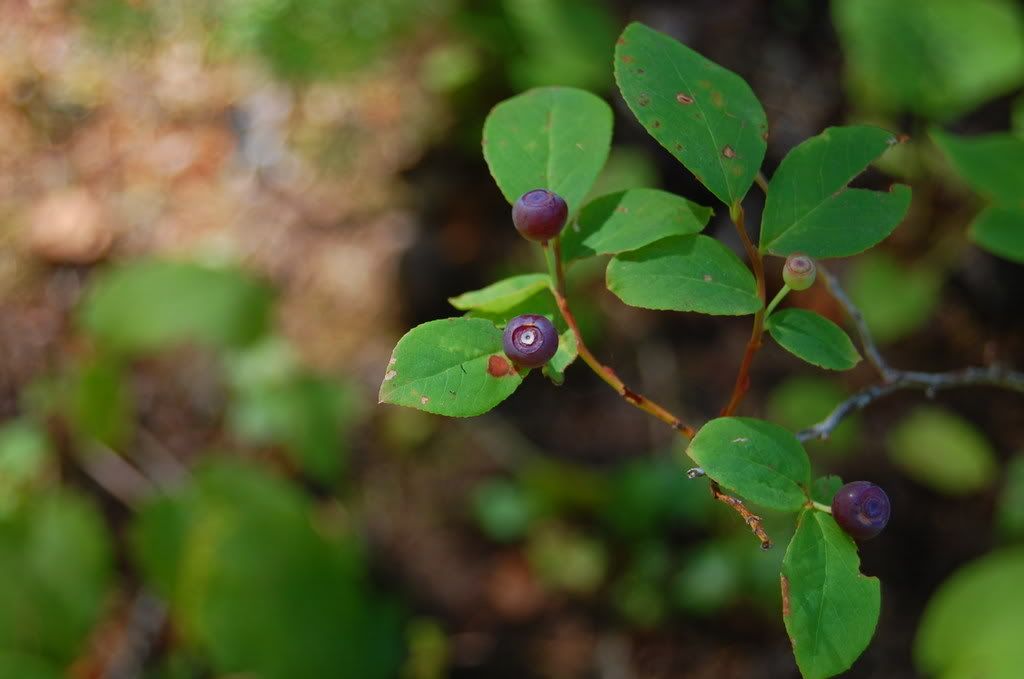
When August arrives in Montana there is usually only one thing on a foragers mind and that is huckleberries! The best and most prolific area in Montana for picking huckleberries is in the northwestern portion of the state but not much farther south than Flathead Lake although huckleberries can be found all over Montana, this area is the best by far. So, Maggie the wonder dog, my friend Scott and I jumped in the car and headed for them thar hills. You know when you're getting close because the air is permeated with the sweet aroma of ripe huckleberries. Just that sweet smell in the air is enough to get your nose twitching, your tail wagging and a little drool at the corner of your mouth...well,you get my drift... it's pretty darn exciting!


The last time I came up here with Scott, I actually caught Maggie in the act of plucking ripe hucks right off the bushes so I came armed with my video camera to see if I could catch this on video. She wasn't terribly cooperative but I did get just a few seconds of her eating them off the bush before she noticed me shooting footage of her and immediately stopped and walked away! A little camera shy are we Maggie? Or are you worried your four legged friends will think poorly of you eating berries? Huckleberry Hound Either way, there were plenty for all of us to pick and eat and come home with purple fingers and tongues.


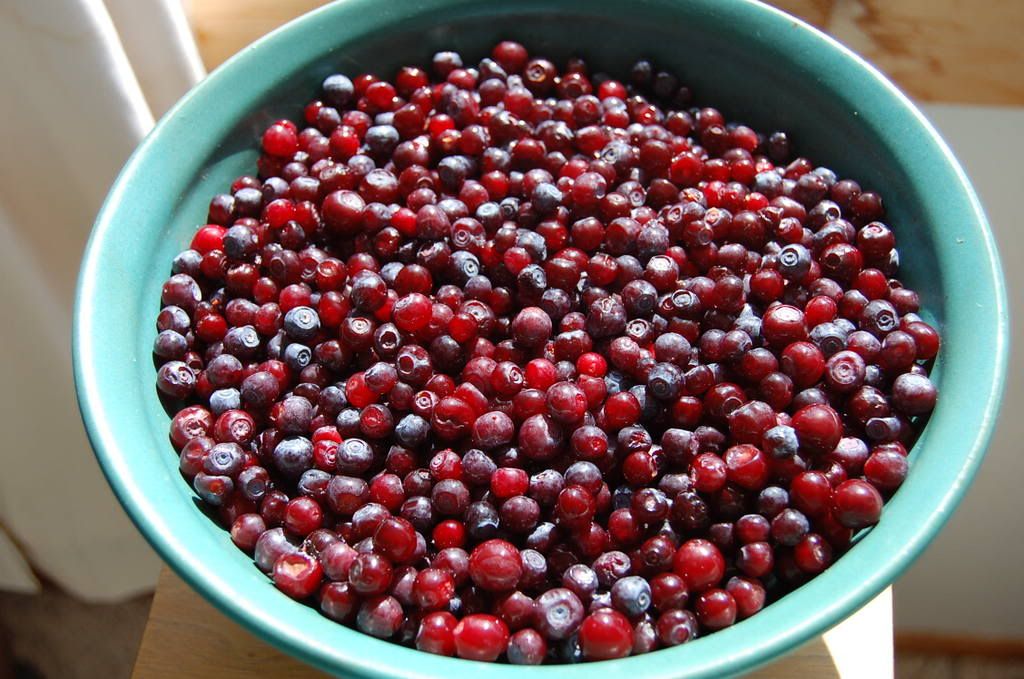
I'm trying to decide what will be the first thing I'll do with them. Last time I made ice cream, a cobbler, muffins and froze the rest. This time I'm thinking maybe some jam or syrup? I'm just not sure yet. I didn't pick as many as last time as we got a rather late start this time. Either way, I'll post whatever I decide with a photo!


Notice the different variations of huckleberries in colors and sizes etc.
huckleberry habitat
Maggie eating hucks
Maggie and Scott

see Huckleberry Hound video link above

Friday, August 1, 2008

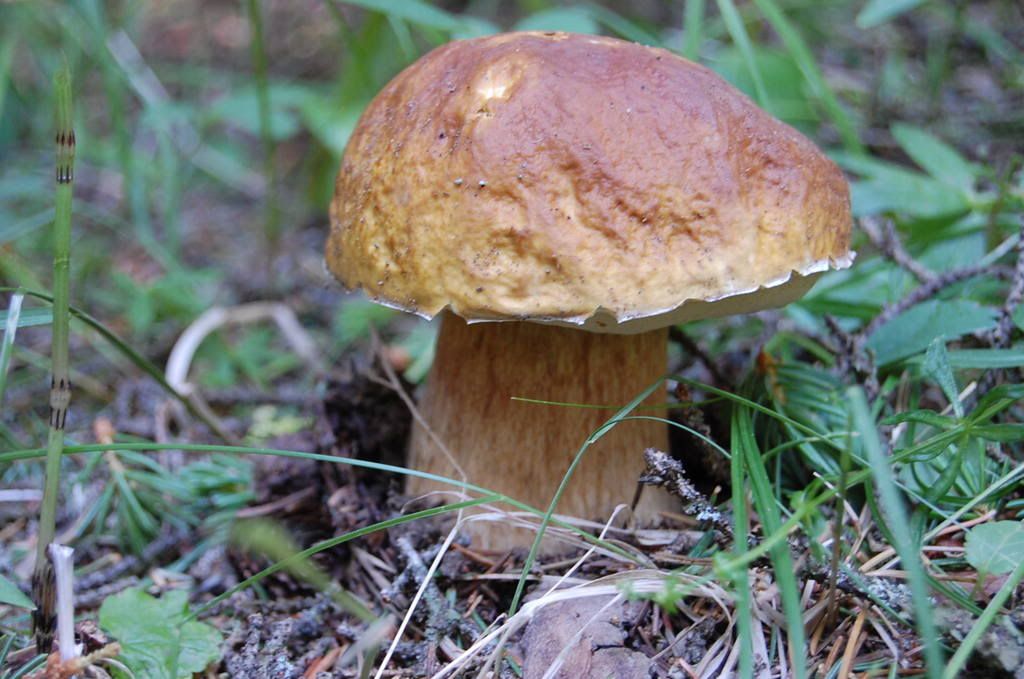
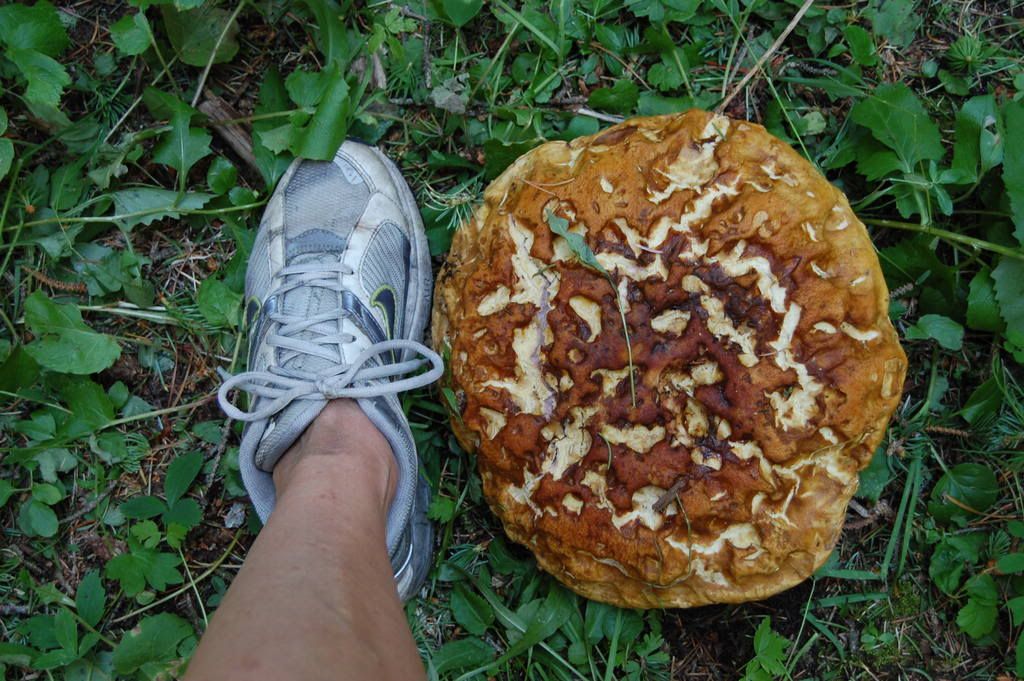
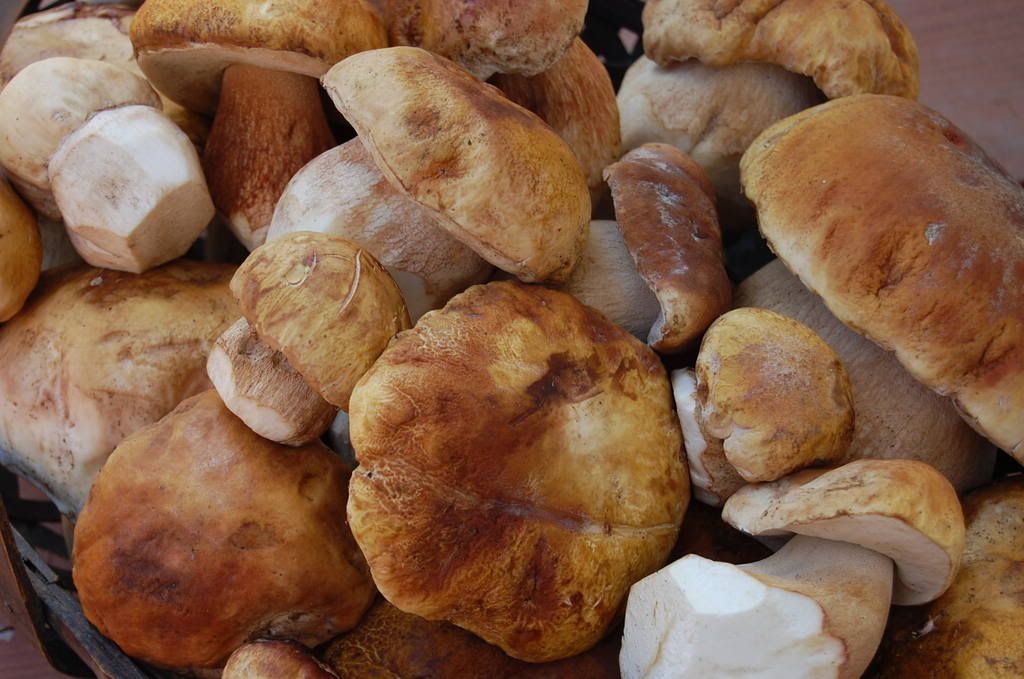
Picking Boletes... my alltime favorite!


I just love foraging for food and especially picking wild mushrooms. For the last week, my favorite mushroom of all has finally made an appearance in my mountain forests. I've been so patient this year as everything has been two full weeks behind schedule compared to the last several years. My Boletus edulis patch is no exception. I've been going up there and checking my spot since June 30th and going once a week since then and nothing until last Thursday a week ago. Finally, not only were there lots of them, but sadly, there were lots of blown out, old, fully spored and rotting ones.


Not to worry though, now that I've finally figured out how fast they can grow, I've got my finger on the pulse and won't miss any new and fresh emerging mushrooms from now on. I have to say I was amazed that I could go from no mushrooms at all of ANY kind, to full blown spored out mush in just one little week!

We had a little rain the day before I went up a week ago and then when I was there the day after that rain, I had found nothing. Then the following Tuesday, we had one of those crazy monsoon type storms that dumped a ton of rain in a matter of minutes, golf ball sized hail, sideways rain and winds up to 85 mph. When I returned to my spot just two days after that storm, I found all the boletes a person could dream of. So there you go...rain, rain rain = mushrooms!

Just to show you how much fun this is, and give an idea of the type of habitat and what these mushrooms look like, I've made a few little videos.

picking boletes video

porcini video

porcini video 3

porcini video 4

video 5

It's been a great season so far and I still have two weeks more to go! Now if only we could get a little more rain.....